
Developmental Architecture
An embodied, relational framework for human development
Developmental Architecture is a structured, twenty-four-week process that supports the integration of human development across multiple layers of experience. The work begins at the early, foundational base of being and unfolds through individuation and inter-relatedness—supporting the formation of a coherent person while weaving that person into the relational fabric of life.
Through steady relational practice, developmental capacities are accessed, integrated, and matured into a single, embodied intelligence that can meet life with greater stability, responsiveness, and presence.
“Presence is integrated history.”
— Thomas Hübl
“We become more present by integrating more of our life. Every part of you is welcome. ”
— Blaise Kennedy
Developmental Architecture works by revisiting your life in a developmental sequence, allowing the nervous system to reorganize around core human capacities such as safety, aliveness, agency, love, expression, and perception. From our base through to our adult maturation, the same movement is applied: accessing the capacity as lived experience, sensing how it was met in the living past, and cultivating present-day relational support that allows maturation and integration. As these capacities stabilize, they stack into a coherent, embodied presence that can participate in life with less fragmentation and effort.
Developmental Architecture moves through the body and nervous system in a developmental sequence—supporting each layer of human capacity to be accessed, integrated, and to mature within relationship.
Developmental Architecture supports the maturation and integration of core human capacities, allowing them to function together as a single, embodied intelligence.
What you’ll develop:
Safety and Grounding
A stable sense of being here, in your body, and able to rest.
Aliveness and Emotional Intelligence
The body's intelligence, freely expressed and unconditionally received. Learning to hold and grow through the full range of emotional experience.
Agency and Self-Contact
The capacity to feel, choose, and act from a grounded place. Will as a body compass — self-directed and free to navigate the world without needing to manage the relationship.
Love and Relational Presence
The ability to hold love for self and other simultaneously — we-consciousness, the natural human capacity for mutual care and shared awareness.
Expression and Truth
Access to authentic voice, self-authority, and the confidence to individuate — to bring the fullness of who you are into how you move through life.
Witnessing and Clarity
The capacity to see clearly — yourself, your experience, and the world — from a grounded, awake presence. The mind as part of the body, not above it.
Non-Separateness
A grounded sense of connection to something larger than the personal self. Presence that extends beyond the boundary of the skin while remaining fully embodied — the body as the interface with a wider field of consciousness.

What You Receive
Each series is held as a steady relational container that supports development, integration, and continuity over time. When you enroll, you receive:
A weekly 2-hour live group session
Guided meditation, teaching, live inquiry, triad practice, and group integration.
Small-group relational practice
Learning happens through presence, pacing, and direct contact—rather than concepts alone.
Access to session recordings and transcripts
Allowing the work to deepen and integrate as you revisit it in your own rhythm.
A private community space
A shared field for connection, reflection, and ongoing support with others engaged in the same process.
Continuity within the larger curriculum
Priority access to future series and offerings as your developmental path unfolds.
The Three-Phase Arc
Each of the seven developmental capacities is explored over three weeks using the same arc. Rather than analyzing problems, the work supports the nervous system in rediscovering how each capacity naturally organizes when the right relational conditions are present.
We slow down and feel how a capacity is currently experienced in the body and in relationship. Rather than discussing concepts, we establish a direct experiential reference for the developmental function as it operates today.
Contacting the Capacity
Understanding Early Organization
Once the capacity is felt in the present, we explore how early conditions shaped its development.
This exploration is descriptive rather than corrective, allowing participants to sense how family environment, relational experience, and early adaptation organized the function in the body and nervous system.
As early experience is allowed to come into living presence, the system can recognize how the capacity originally formed.
Supporting Natural Expression
The final movement supports the capacity in reorganizing toward its natural function.
Through sustained relational presence and experiential practice, participants explore what the capacity needs in order to express itself more fully in present-day life. Rather than forcing change, development unfolds through repeated contact with supportive conditions.
Structural Integration
Across the series, these three movements are applied to a sequence of developmental capacities, each building upon the previous one.
Much like the structure of a building, the lower levels support the floors above them. When earlier developmental layers lack coherence, the higher layers must compensate, often creating strain in perception, identity, and relationship.
As foundational capacities—such as safety, aliveness, agency, and belonging—become more stable in the body, the higher functions of expression, perception, and witnessing begin to organize more naturally.
Rather than constructing something new, the work restores the structural coherence that allows the full architecture of human development to stand.
Meet Blaise
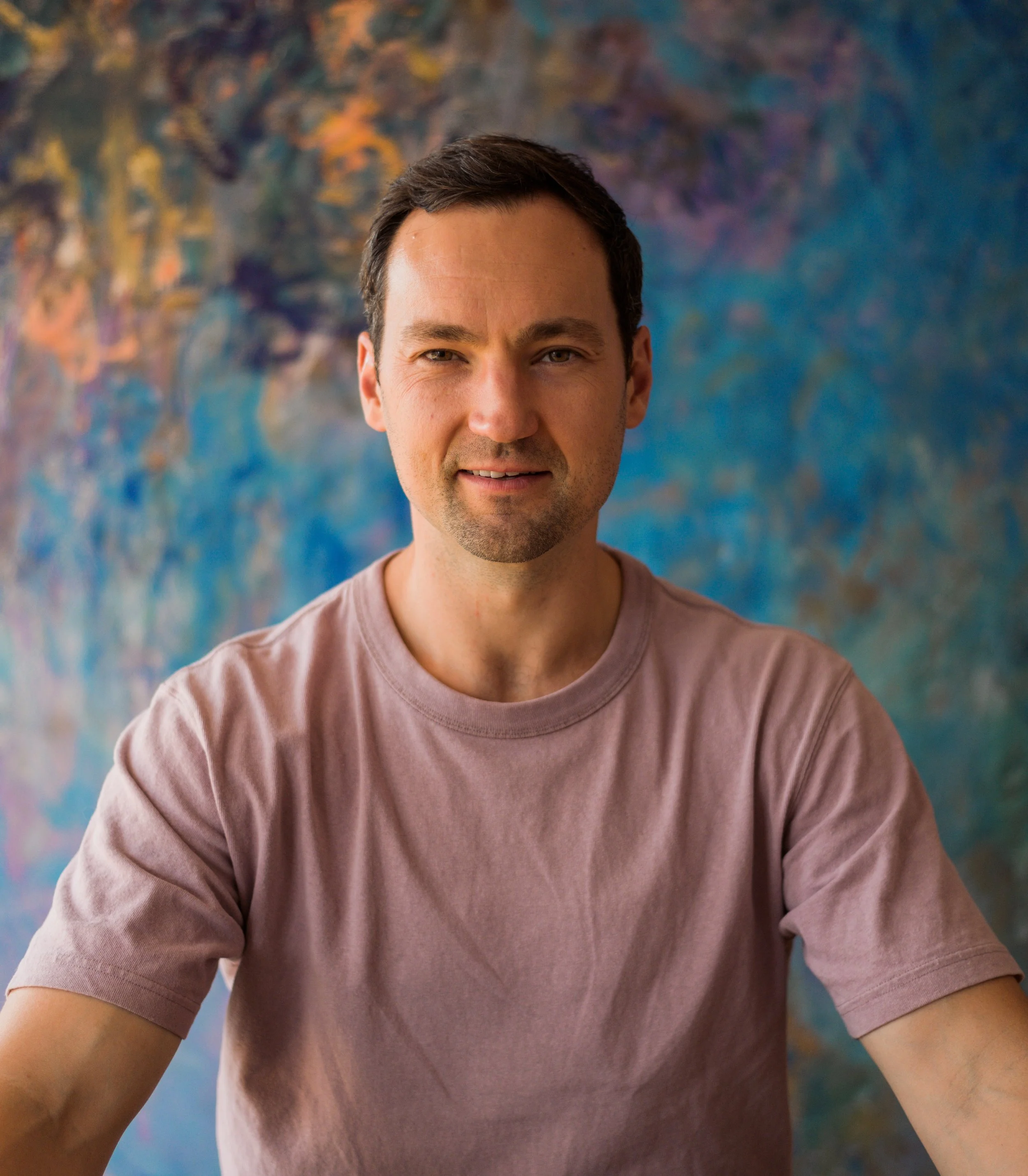
Blaise Kennedy is a teacher of embodied, relational spirituality whose work integrates nervous system healing, developmental psychology, and contemplative practice. He guides individuals and groups through structured processes that support the maturation of safety, agency, love, and meaning in the body. His teaching emphasizes that awakening is not an escape from human life, but a deeper arrival into it. Through group series and one-on-one work, Blaise supports the integration of awareness into lived relationship, creativity, and participation in the world.
“Our work is to create the conditions in which awakening and human potential can naturally unfold.”