
Light & Incarnation
Live from your Light
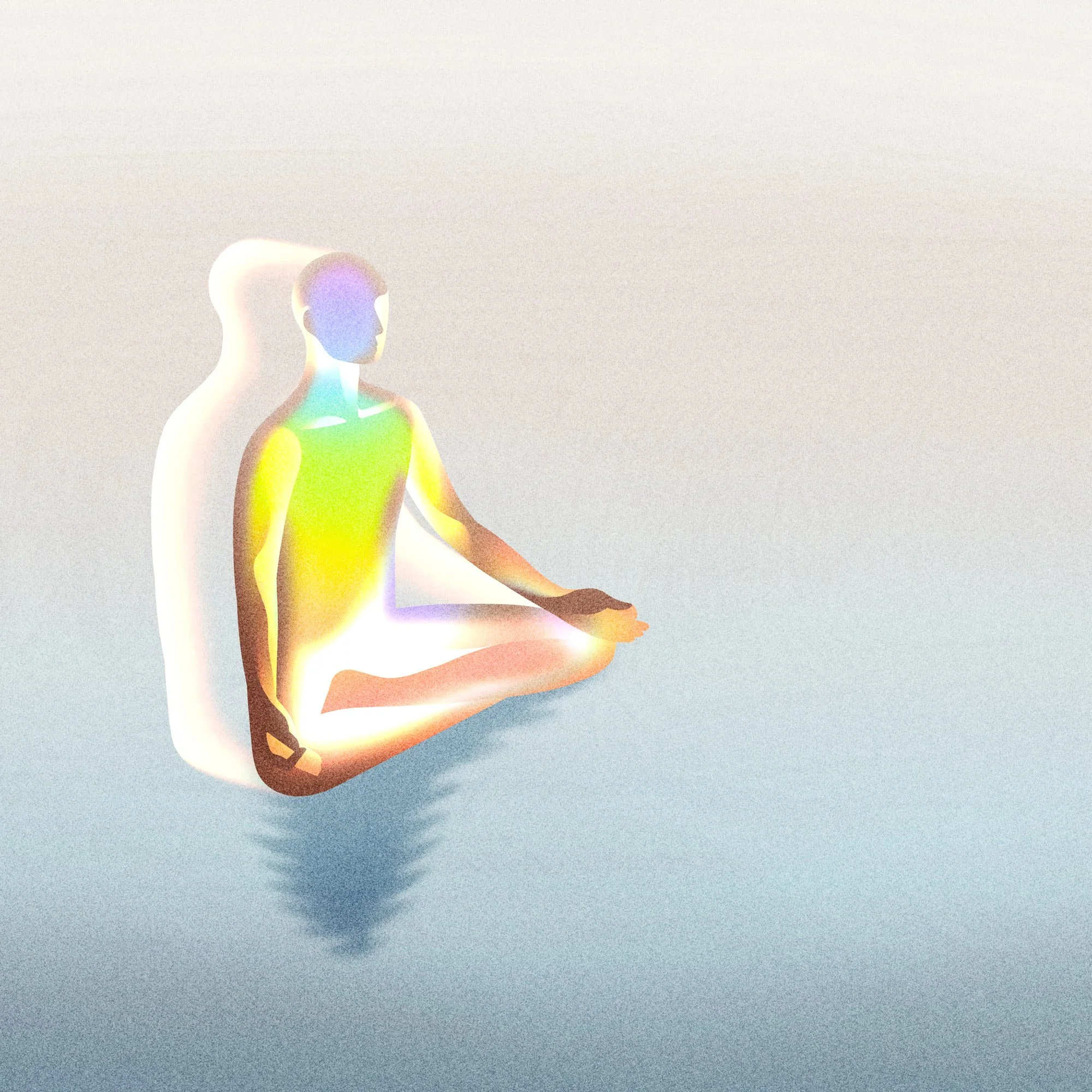
Through slow, relational practice, Light is recognized as felt presence and gradually welcomed—into the body, into relationship, and into the shared world. Participants come to sense how Light met the conditions of incarnation early in life, and how it can be received more fully now.
This work builds on an established foundation of relational and developmental capacity and is intended for those ready to explore how consciousness takes form in lived experience.
When you are born, what do you bring into this world with you? Incarnation is the continuous embodiment of Light as lived presence in this lifetime.
Light & Incarnation is a 12-week process that introduces Light as an incarnational intelligence—something we do not generate, but orient toward, receive, and allow to organize us. Through a relational approach, the work supports the nervous system in recognizing Light as felt presence, sensing how it met the conditions of arrival early in life, and consciously welcoming it now. As Light is received more fully into the body, relationship, and daily life, experience begins to organize around greater well-being, a felt participation in a higher reality, and access to intelligence beyond what you have experienced in this life and in this world.
Light & Incarnation opens a new line of development—supporting the ongoing embodiment of Light in lived experience.
The course unfolds in three phases:
Phase I — Recognizing and Relating as Light
Participants learn to recognize their own Light as lived presence, and to relate from this orientation rather than from effort, strategy, or identity.
Phase II — Meeting the Living Past
The work turns toward the living past—exploring how Light met the conditions of arrival across different layers of experience, and how early environments shaped the capacity to receive, stay, and belong.
Phase III — Supporting Incarnation and Expression
Participants become more active in supporting their path as Light, learning how to foster further incarnation and allow the unique qualities they carry to take form, expression, and direction in the world.

What You Receive
Each series is held as a steady relational container that supports development, integration, and continuity over time. When you enroll, you receive:
A weekly 2-hour live group session
Guided meditation, teaching, live inquiry, triad practice, and group integration.
Small-group relational practice
Learning happens through presence, pacing, and direct contact—rather than concepts alone.
Access to session recordings and transcripts
Allowing the work to deepen and integrate as you revisit it in your own rhythm.
A private community space
A shared field for connection, reflection, and ongoing support with others engaged in the same process.
Continuity within the larger curriculum
Priority access to future series and offerings as your developmental path unfolds.
In the opening phase, participants learn to recognize Light as a felt, embodied presence rather than an idea or state to achieve. We establish a stable inner reference by sensing Light directly and learning how to invite it without effort or striving.
Phase I — Week 1 through 4
Orientation to Light
This phase supports safety in subtle perception and helps clarify the difference between imagination, effort, and genuine contact.
-
Week 1 — Incarnation as Arrival
An introduction to incarnation as a real event, inviting you to sense what arrives with you into this life rather than think about it conceptually.
Week 2 — Recognizing Light
Learning to recognize Light as a felt presence in the body and establishing a stable inner reference you can return to.
Week 3 — Invitation Without Striving
Exploring what happens when Light is invited to arrive more fully—without effort, force, or self-improvement.
Week 4 — Relational Orientation
Turning outward while staying embodied, sensing how perception and relationship shift when seen through Light.
This phase explores how Light originally met the conditions of incarnation—through the collective field, ancestry, family, and physical environment. Rather than analyzing the past, participants sense how early conditions shaped their capacity to arrive, receive, and stay.
Phase II — Week 5 through 8
How It Was
The work fosters compassion and understanding, helping reduce self-judgment around resistance, difficulty, or patterns that formed early
-
Week 5 — Arriving in the World
Sensing how it was to arrive into the wider collective field of this world, without personal narrative or analysis.
Week 6 — Arriving in the Ancestral Field
Exploring how inherited and ancestral conditions shaped the atmosphere into which you arrived.
Week 7 — Arriving in Your Family
Feeling how your immediate relational environment received your presence, including warmth, absence, or complexity.
Week 8 — Arriving in Your Home
Grounding subtle experience into material reality by sensing what it was like for Light to meet physical space and environment.
In the final phase, participants consciously welcome Light into present-time life as it is now. The focus is on being seen—both for strengths and challenges—and allowing that fullness to participate in the shared world.
Phase III — Week 9 through 12
How It Can Be Now
This phase supports a deeper sense of belonging and helps translate subtle insight into lived relationship, action, and contribution.
-
Week 9 — The Intention to Be Here
Sensing the subtle intention behind your being here, allowing recognition to arise without defining purpose.
Week 10 — Being Seen for What You Bring
Recognizing strengths and innate qualities without performance, comparison, or evaluation.
Week 11 — Being Seen for What Is Difficult
Including limitations and challenges as part of incarnation, fostering belonging without shame or fixing.
Week 12 — Welcoming Your Fullness into the Shared World
Consciously welcoming the whole of you—strengths and difficulties—into participation in a shared, living world.
Closing Orientation
This series completes an incarnational arc—from recognition, to understanding, to conscious welcome.
From this foundation, expression, creation, and service arise naturally, as a continuation rather than an effort.
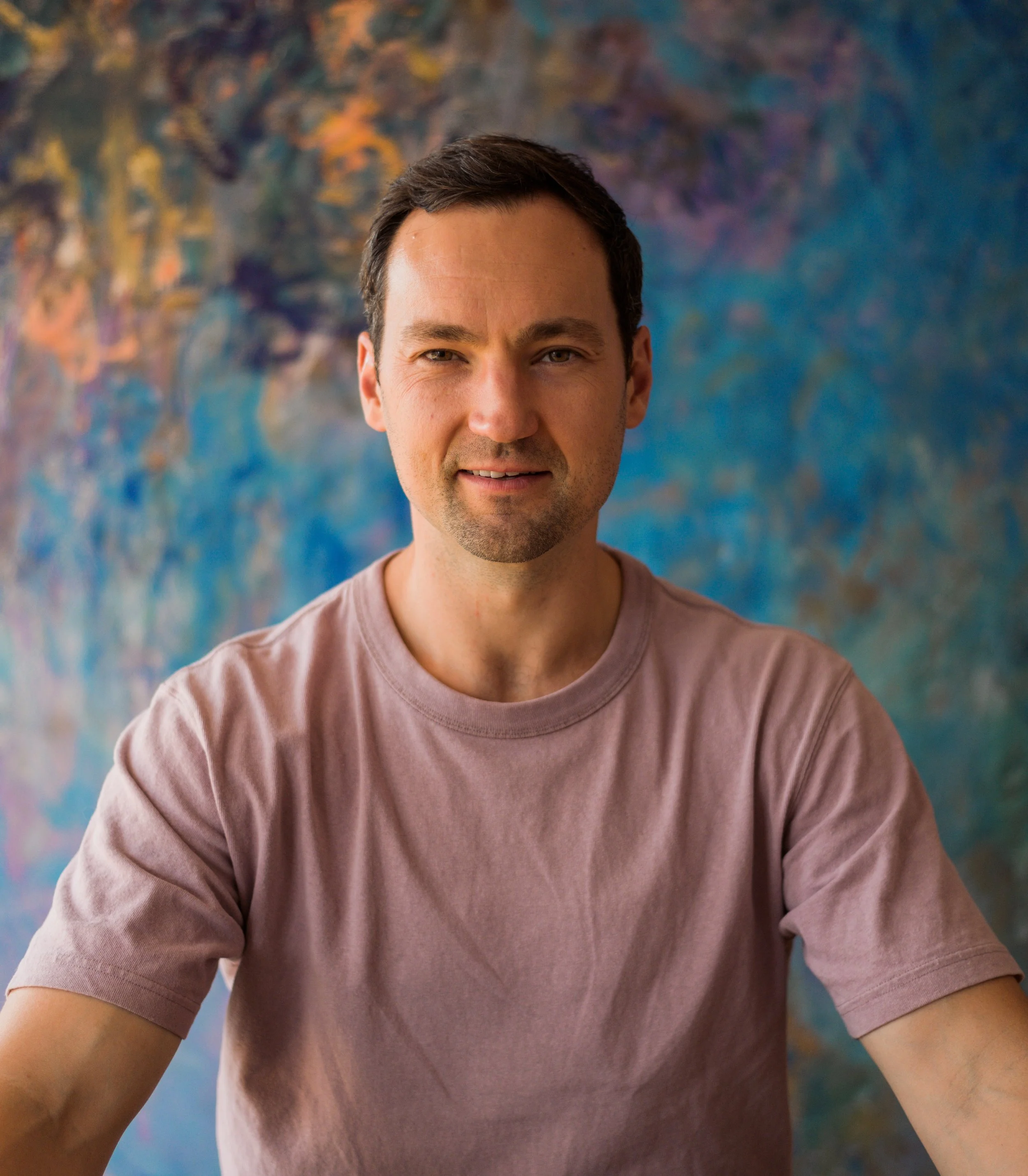
Meet Blaise
Blaise Kennedy is a teacher of embodied, relational spirituality whose work integrates nervous system healing, developmental psychology, and contemplative practice. He guides individuals and groups through structured processes that support the maturation of safety, agency, love, and meaning in the body. His teaching emphasizes that awakening is not an escape from human life, but a deeper arrival into it. Through group series and one-on-one work, Blaise supports the integration of awareness into lived relationship, creativity, and participation in the world.
“Our work is to create the conditions in which awakening and human potential can naturally unfold.”